Introduction to Cleocin (Clindamycin) 150mg
Cleocin (Clindamycin) 150mg is a prescription antibiotic used to treat various bacterial infections, including skin, respiratory, and soft tissue infections. It works by inhibiting bacterial protein synthesis, thereby stopping bacterial growth and helping the body fight infection.
Cleocin (Clindamycin) 150mg is classified under Prescription Medicines, Antibiotics, Lincosamide Class, and Oral Antibacterial Therapy. Its active ingredient, Clindamycin, is effective against many gram-positive and anaerobic bacteria.
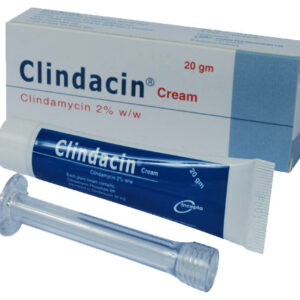
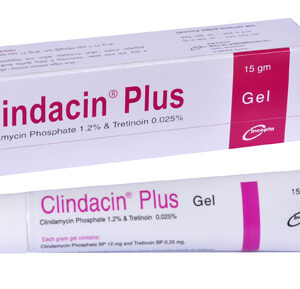
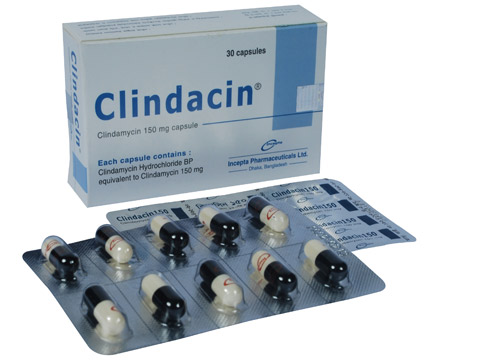
In some markets, Clindacin 150mg is available as a generic brand containing the same active ingredient, offering similar antibacterial effects when prescribed by a healthcare professional.
What Is Cleocin (Clindamycin)?
Cleocin is the brand name for Clindamycin, an oral antibiotic used to treat bacterial infections.
Clindamycin belongs to the class of lincosamide antibiotics. It works by binding to bacterial ribosomes and inhibiting protein synthesis, which prevents bacterial growth and replication.
Generic alternatives such as Clindacin 150mg contain the same active compound and may be prescribed depending on availability and physician recommendation.
Drug Class and Mechanism of Action
Clindamycin is classified as a lincosamide antibiotic.
How Clindamycin Works
- Binds to bacterial 50S ribosomal subunit
- Inhibits bacterial protein synthesis
- Stops bacterial growth and allows the immune system to eliminate infection
Through this mechanism, Clindamycin effectively treats a variety of bacterial infections.
How Cleocin Works in the Body
Clindamycin is absorbed from the gastrointestinal tract and distributed widely in tissues, particularly in bones, skin, and soft tissues.
Key Actions of Clindamycin
- Targets gram-positive and anaerobic bacteria
- Prevents bacterial replication
- Reduces infection symptoms and promotes recovery
Generic versions such as Clindacin 150mg provide the same therapeutic effect under proper medical supervision.
Medical Uses of Cleocin (Clindamycin) 150mg
Cleocin for Skin and Soft Tissue Infections
Clindamycin is commonly prescribed for infections such as boils, cellulitis, and abscesses.
Potential Benefits
- Eliminates bacterial pathogens
- Reduces swelling, redness, and pain
- Promotes faster healing
Cleocin for Respiratory and Other Bacterial Infections
It may also be used for pneumonia, sinusitis, and other susceptible bacterial infections.
Treatment Benefits
- Targets anaerobic and gram-positive bacteria
- Reduces infection duration
- Helps prevent complications
Generic alternatives like Clindacin 150mg may be used when Clindamycin therapy is indicated.
Who Can Take Clindacin 150mg?
Clindamycin therapy should always be used under medical supervision.
Eligibility Criteria
Patients may be prescribed Cleocin if they:
- Have confirmed bacterial infections susceptible to Clindamycin
- Can tolerate oral antibiotic therapy
- Are evaluated for liver function and potential drug interactions
Generic options such as Clindacin 150mg may also be prescribed depending on physician recommendation.
Who Should Avoid Cleocin (Clindamycin) 150mg
Cleocin should NOT be used by:
- Individuals allergic to Clindamycin or Lincomycin
- Patients with a history of antibiotic-associated colitis
- Infants under 1 month old unless directed by a doctor
Cleocin (Clindamycin) 150mg Dosage and Administration
Standard Dosage Guidelines
- Typical adult dose: 150mg to 300mg orally every 6–8 hours
- Swallow capsules whole with a full glass of water
- Can be taken with or without food, but taking with food may reduce stomach upset
Dosage Adjustments
Doctors may adjust the dose based on:
- Severity and type of infection
- Kidney or liver function
- Patient response and side effects
Side Effects of Cleocin 150mg
Like all antibiotics, Clindamycin may cause side effects.
Common Side Effects
- Nausea or vomiting
- Diarrhea
- Stomach pain
- Rash or itching
Serious Side Effects
- Severe diarrhea or colitis (Clostridium difficile infection)
- Allergic reactions (swelling, hives, difficulty breathing)
- Liver dysfunction or jaundice
Patients should report any unusual or severe symptoms to their doctor immediately.
Storage:
Store below 25°C in a cool, dry place, away from moisture and sunlight. Keep capsules in their original packaging and out of reach of children.
Frequently Asked Questions (FAQs)
1. What is Cleocin (Clindamycin) 150mg used for?
Cleocin treats bacterial infections such as skin, soft tissue, and respiratory infections.
2. How does Clindamycin work?
Clindamycin inhibits bacterial protein synthesis, stopping bacterial growth and allowing the immune system to fight infection.
3. Is Clindacin 150mg the same as Cleocin?
Yes. Clindacin 150mg contains Clindamycin, the same active ingredient as Cleocin. Generic versions is available. for more info. contact on WhatsApp: https://wa.me/8801742433764
4. Can Clindacin be taken during pregnancy?
Consult your doctor. Clindamycin may be used if benefits outweigh risks, but always follow physician guidance.
5. How long does treatment last?
Duration depends on infection type and severity. Complete the full prescribed course even if symptoms improve.
6. Can Clindacin be taken with other antibiotics?
Only under medical supervision to avoid drug interactions and antibiotic resistance.
7. Do I need a prescription to buy Clindacin (Clindamycin) 150mg?
Yes. Clindacin 150mg is prescription-only and should only be used under a qualified healthcare professional.
Medical Disclaimer
Disclaimer:
The information provided is for educational purposes only and should not be considered medical advice. Cleocin (Clindamycin) is prescription-only and must be used under the supervision of a qualified healthcare professional. Always consult your physician before starting, stopping, or adjusting any medication.