Introduction to Prolia (Denosumab) 120mg
Prolia (Denosumab) 120mg is a prescription medicine used to treat osteoporosis in postmenopausal women and men at high risk of fractures, as well as to prevent bone complications in patients with bone metastases from solid tumors. It works by inhibiting a protein involved in bone resorption, thereby strengthening bones and reducing fracture risk.
Prolia (Denosumab) 120mg is classified under Prescription Medicines, Bone Health Medicines, Monoclonal Antibodies, and Osteoporosis Therapies. It contains Denosumab, which works by targeting RANKL (Receptor Activator of Nuclear Factor κB Ligand) to reduce bone breakdown.
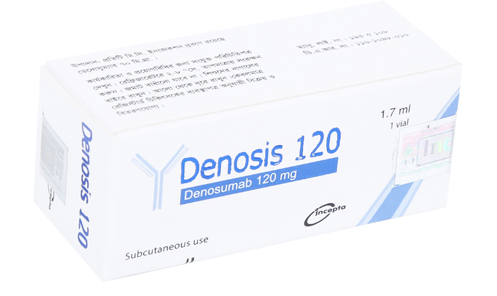
In some markets, Denosis 120mg is available as a generic brand containing the same active ingredient Denosumab, offering similar therapeutic effects when prescribed by a qualified healthcare professional.
What Is Prolia (Denosumab)?
Prolia is the brand name for Denosumab, a monoclonal antibody administered via subcutaneous injection to prevent bone loss.
Denosumab belongs to a class of medicines known as RANKL inhibitors, which slow bone resorption and improve bone density.
Generic versions such as Denosis 120mg contain the same active compound and may be used depending on physician recommendation and regional availability.
Drug Class and Mechanism of Action
Denosumab is classified as a monoclonal antibody with anti-resorptive properties.
How Denosumab Works
It works in several ways:
- Binds to RANKL, preventing it from activating osteoclasts
- Reduces bone breakdown and resorption
- Increases bone mass and strength
- Lowers the risk of fractures in high-risk patients
Through these mechanisms, Denosumab helps maintain skeletal health in patients with osteoporosis or bone metastases.
How Prolia Works in the Body
After subcutaneous injection, Denosumab circulates in the bloodstream and targets RANKL to inhibit osteoclast-mediated bone resorption.
Key Actions of Denosumab
- Reduces activity of bone-resorbing cells (osteoclasts)
- Increases bone mineral density
- Prevents fractures in patients with osteoporosis or metastatic bone disease
Some generic versions such as Denosis deliver the same active compound, providing similar bone-protective effects when prescribed appropriately.
Medical Uses of Prolia (Denosumab) 120mg
Prolia 120mg is prescribed for various bone-related conditions.
Prolia for Osteoporosis
Used in postmenopausal women and men at high risk of fractures.
Potential Benefits
- Increases bone density
- Reduces fracture risk
- Improves bone strength and skeletal integrity
Prolia for Bone Complications in Cancer
Used to prevent skeletal-related events in patients with bone metastases from solid tumors.
Potential Benefits
- Reduces pain from bone lesions
- Prevents fractures and spinal cord compression
- Improves quality of life
Generic alternatives like Denosis 120mg may also be used under medical supervision when Denosumab therapy is recommended.
Who Can Take Denosis 120mg?
Because Denosumab is a potent biologic therapy, it must be used under specialist supervision.
Eligibility Criteria
Patients may be prescribed Prolia if they:
- Have postmenopausal osteoporosis or high fracture risk
- Have bone metastases or multiple myeloma
- Have normal calcium levels before starting therapy
Certain generic options such as Denosis may also be considered depending on availability and physician decision.
Who Should Avoid Prolia (Denosumab) 120mg
Prolia should NOT be used by:
- Patients with hypocalcemia
- Individuals with hypersensitivity to Denosumab
- Pregnant or breastfeeding women
- Patients with severe kidney disease without supervision
Prolia (Denosumab) 120mg Dosage and Administration
Standard Dosage Guidelines
Typical dosage recommendations include:
- Denosumab 120mg subcutaneous injection every 4 weeks (for bone metastases)
- For osteoporosis, dose may vary (commonly 60mg every 6 months)
- Administered by a healthcare professional
- Ensure adequate calcium and vitamin D intake
Dosage Adjustments
Doctors may adjust the dose depending on:
- Patient kidney function
- Calcium levels
- Treatment response or adverse effects
Side Effects of Prolia 120mg
Like all medicines, Prolia may cause side effects.
Common Side Effects
- Back pain or joint pain
- Fatigue
- Nausea
- Muscle pain
Serious Side Effects
- Severe hypocalcemia
- Osteonecrosis of the jaw (rare)
- Severe infections
- Allergic reactions
Patients should report any unusual symptoms to their doctor immediately.
Storage:
Store in a refrigerator between 2–8°C. Do not freeze. Protect from light and keep out of reach of children.
Frequently Asked Questions (FAQs)
1. Can Prolia be used long-term?
Yes, under medical supervision. Regular monitoring of calcium and bone density is recommended.
2. How is Denosumab administered?
It is given as a subcutaneous injection by a healthcare professional.
3. Can Denosis 120mg be used for osteoporosis?
Yes. Depending on the prescription, it is effective for bone strengthening and fracture prevention.
4. Can pregnant women take Denosis 120mg?
No. It is contraindicated in pregnancy.
5. Is Denosis 120mg the same as Prolia?
Denosis 120mg contains Denosumab, the same active ingredient found in Prolia. Generic versions is available. for more info. contact on WhatsApp: https://wa.me/8801742433764
6. Do I need a prescription to buy Denosis (Denosumab) 120mg?
Yes. It is a prescription-only medicine and should be used under specialist supervision.
Medical Disclaimer
Disclaimer:
The information provided on this page is for educational and informational purposes only and should not be considered medical advice. Prolia (Denosumab) is a prescription-only medication and must be used strictly under the supervision of a qualified healthcare professional. Always consult your physician before starting, stopping, or changing any medication.