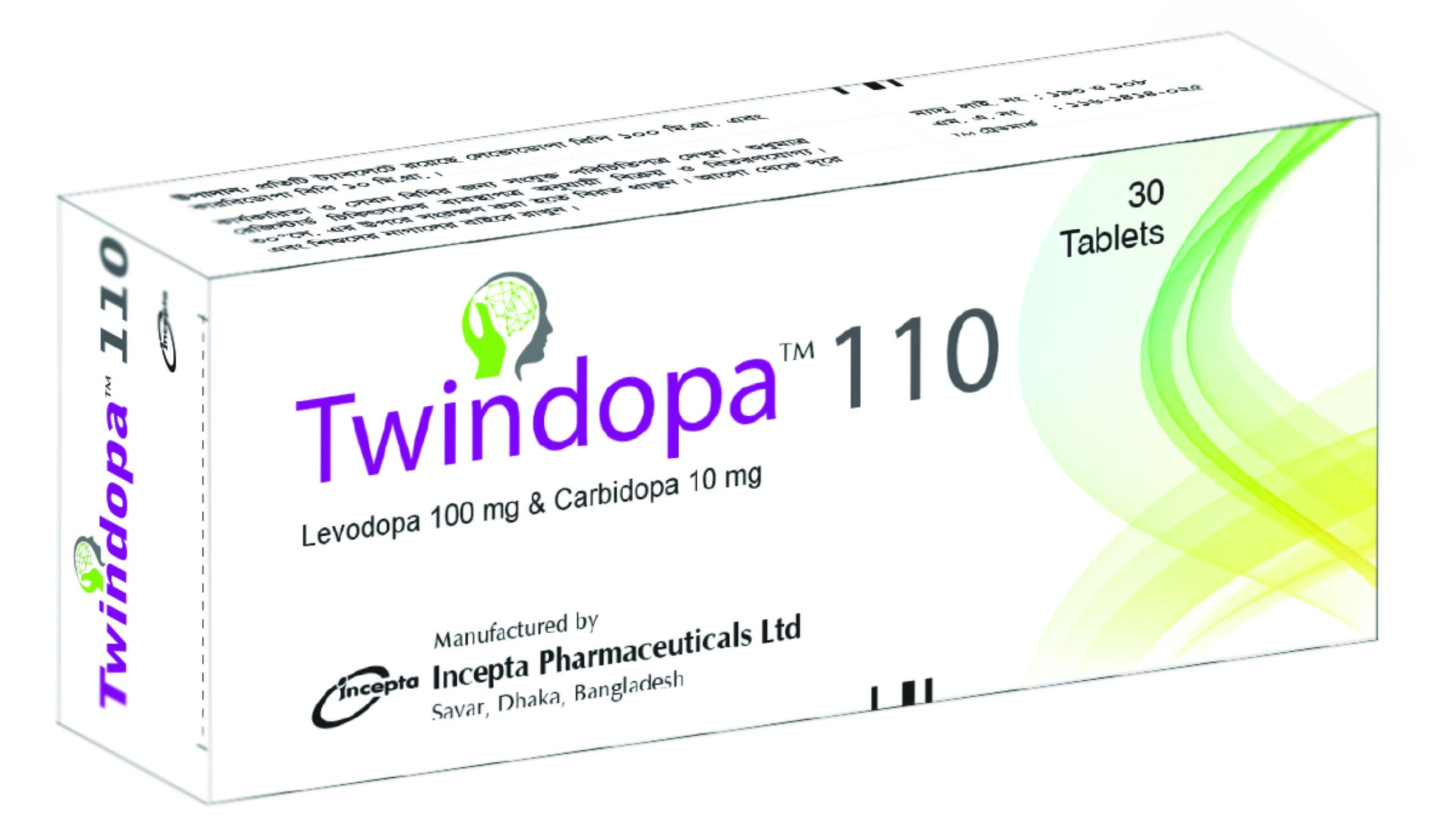
Twindopa 10 mg (Levodopa & Carbidopa): Complete Guide to Uses, Dosage, Benefits, Side Effects & FAQs
Introduction to Twindopa 10 mg
Twindopa 10 mg is a specialized prescription medicine primarily used to manage the symptoms of Parkinson’s disease and Parkinson-like conditions. Falling under the Neurology & Psychiatry Medicines, Generic Medicines, and Prescription Medicines categories, it serves as the gold standard for restoring motor function. Instead of just treating surface tremors, Twindopa 10 mg works by replenishing the depleted levels of dopamine in the brain.
Think of Twindopa 10 mg as a biological delivery system. Rather than providing a temporary stimulant, the active ingredients Levodopa & Carbidopa work in tandem to ensure the brain receives the necessary chemicals to control movement. This guide provides a detailed overview of Twindopa 10 mg, how Levodopa & Carbidopa function, clinical benefits, and essential safety information for long-term care.
Drug Class and Mechanism of Action
Twindopa 10 mg is a combination therapy consisting of an aromatic amino acid decarboxylation inhibitor and a dopamine precursor. These two components are essential because Levodopa alone is often broken down before it can reach the brain.
Levodopa & Carbidopa work together through a “shield and delivery” mechanism. Levodopa enters the brain and is converted into dopamine, the chemical responsible for smooth muscle movement. Carbidopa acts as a protective shield, preventing the Levodopa from being destroyed in the bloodstream. This allows a higher concentration of the medication to reach the central nervous system where it is needed most.
How Twindopa 10 mg Works in the Body
In patients with Parkinson’s, the brain’s dopamine-producing cells gradually diminish. Twindopa 10 mg manages this deficiency by:
-
Directly increasing dopamine levels in the brain’s motor control centers.
-
Reducing the “off” periods where patients experience sudden stiffness.
-
Improving the communication between nerve cells and muscles.
By consistently utilizing Levodopa & Carbidopa, patients can regain control over voluntary movements that have become restricted by the disease.
Medical Uses of Twindopa 10 mg
Twindopa 10 mg is indicated for the treatment of symptoms related to idiopathic Parkinson’s disease.
Twindopa 10 mg for Motor Symptom Management
Twindopa 10 mg is highly effective at addressing the primary motor symptoms of Parkinson’s. Benefits for patients include:
-
Significant reduction in tremors (shaking).
-
Improvement in bradykinesia (slowness of movement).
-
Relief from muscle rigidity and stiffness.
Twindopa 10 mg for Post-Encephalitic Parkinsonism
In cases where Parkinson-like symptoms develop after certain brain infections, Twindopa 10 mg is used to restore mobility. The use of Levodopa & Carbidopa helps these patients achieve better balance and a more stable walking gait, improving their overall independence.
Who Can Take Twindopa 10 mg?
Twindopa 10 mg is a potent neurological agent and requires a precise diagnosis by a neurologist before initiation.
Eligibility Criteria
You may be considered for Twindopa 10 mg if you:
-
Have a confirmed diagnosis of Parkinson’s disease or Parkinsonism.
-
Experience motor fluctuations that interfere with daily activities.
Who Should Avoid Twindopa 10 mg
Twindopa 10 mg may not be appropriate for individuals who:
-
Have narrow-angle glaucoma.
-
Have suspicious, undiagnosed skin lesions (as Levodopa may activate malignant melanoma).
-
Are currently taking or have recently taken MAO inhibitor antidepressants.
-
Have a known hypersensitivity to Levodopa & Carbidopa.
Twindopa 10 mg Dosage and Administration
Standard Dosage Guidelines
The dosage of Twindopa 10 mg is highly individualized and must be “titrated” (adjusted) by a doctor:
-
It is typically taken multiple times a day to maintain steady brain levels.
-
The ratio of Levodopa & Carbidopa is carefully balanced to minimize side effects like nausea.
-
Tablets should be taken at regular intervals to avoid “wearing-off” effects.
Administration Tips
-
Avoid high-protein meals immediately before or after taking Twindopa 10 mg, as protein can interfere with the absorption of Levodopa.
-
Do not crush or chew the tablets unless they are the specifically designed disintegrating type.
Side Effects of Twindopa 10 mg
Common Side Effects
-
Nausea or vomiting (minimized by the Carbidopa component).
-
Dizziness or lightheadedness when standing up.
-
Dry mouth or sleepiness.
Serious Side Effects
-
Dyskinesia (uncontrolled, involuntary movements).
-
Mental health changes (hallucinations, confusion, or intense urges).
-
Darkened color of urine or sweat (this is harmless but should be noted).
Frequently Asked Questions (FAQs)
1. Is Twindopa 10 mg safe for long-term use? Yes, Levodopa & Carbidopa is the standard long-term therapy for Parkinson’s. However, the dosage may need adjustment over the years as the disease progresses.
2. Does Twindopa 10 mg cure Parkinson’s disease? No. Twindopa 10 mg manages and controls the symptoms by replacing dopamine, but it does not stop the underlying loss of nerve cells.
3. What is the “wearing-off” effect? This happens when the benefit of a dose of Levodopa & Carbidopa fades before the next dose is due. If this happens, your doctor may adjust your Twindopa 10 mg schedule.
4. Can I stop taking Twindopa 10 mg suddenly? No. Stopping Twindopa 10 mg abruptly can cause a serious condition similar to Neuroleptic Malignant Syndrome. Always consult your doctor before changing your dose.