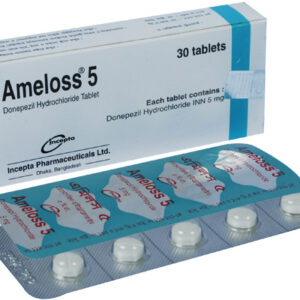
Introduction to Namzaric (Memantine and Donepezil) 28/10mg
Namzaric (Memantine and Donepezil) 28/10mg is a combination prescription medicine used for the treatment of moderate to severe Alzheimer’s disease. It helps improve memory, awareness, and the ability to perform daily functions.
Namzaric (Memantine Hydrochloride and Donepezil Hydrochloride) 28/10mg is classified under Prescription Medicines, Neurological Medicines, Anti-Alzheimer’s Drugs, and Combination CNS Therapies. It contains Memantine and Donepezil, which work together to support brain function and slow cognitive decline.
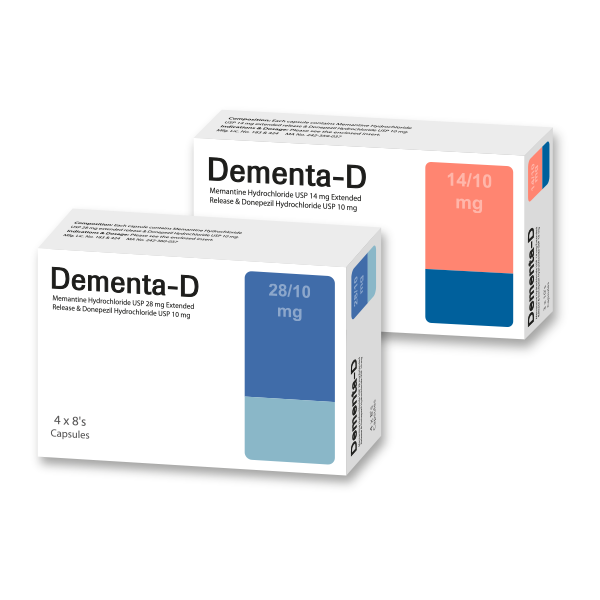
In some markets, Dementa-D 28/10mg is available as a local brand containing the same active ingredients, offering similar therapeutic effects when prescribed by a qualified healthcare professional.
What Is Namzaric (Memantine and Donepezil)?
Namzaric is the original brand name for the combination of Memantine and Donepezil, used in Alzheimer’s disease management.
Memantine belongs to NMDA receptor antagonists, while Donepezil is a cholinesterase inhibitor. Together, they help improve brain signaling and cognitive function.
Generic versions such as Dementa-D 28/10mg contain the same active compounds and may be used depending on physician recommendation.
Drug Class and Mechanism of Action
This combination medicine includes two active components with complementary actions.
How Memantine and Donepezil Work
- Memantine: Regulates glutamate activity to protect brain cells
- Donepezil: Increases acetylcholine levels to improve nerve communication
- Together, they enhance cognitive function and slow disease progression
How Namzaric Works in the Body
Alzheimer’s disease affects brain cells and communication between neurons. This combination therapy helps restore balance.
Key Actions
- Improves memory and thinking ability
- Supports daily functioning
- Slows cognitive decline
Local brands such as Dementa-D provide the same combination for effective management.
Medical Uses of Namzaric 28/10mg
Treatment of Alzheimer’s Disease
Used in moderate to severe Alzheimer’s disease.
Potential Benefits
- Improves cognitive performance
- Enhances daily activity function
- May slow progression of symptoms
Who Can Take Dementa-D 28/10mg?
Eligibility Criteria
Patients may be prescribed this medicine if they:
- Are diagnosed with moderate to severe Alzheimer’s disease
- Require combination therapy
- Are under medical supervision
Who Should Avoid Namzaric 28/10mg
This medicine should NOT be used by:
- Patients allergic to Memantine or Donepezil
- Individuals with severe liver problems (without consultation)
- Use cautiously in heart conditions or seizures
Namzaric 28/10mg Dosage and Administration
Standard Dosage Guidelines
- One capsule once daily
- Usually taken in the evening
- Swallow whole without crushing
Dosage Adjustments
Doctors may adjust depending on:
- Patient tolerance
- Kidney function
- Treatment response
Side Effects of Namzaric 28/10mg
Common Side Effects
- Nausea
- Dizziness
- Headache
- Loss of appetite
Serious Side Effects
- Slow heart rate
- Severe confusion
- Fainting
- Gastrointestinal bleeding
Seek immediate medical attention if serious symptoms occur.
Storage:
Store below 25°C in a dry place, away from moisture and sunlight.
Frequently Asked Questions (FAQs)
1. Is Namzaric 28/10mg a cure for Alzheimer’s?
No, it helps manage symptoms but does not cure the disease.
2. How long does it take to work?
Improvement may be noticed over weeks to months.
3. Can it be taken long-term?
Yes, under regular medical supervision.
4. Is Dementa-D the same as Namzaric?
Yes, it contains the same active ingredients.
5. Can it improve memory completely?
It helps improve function but does not fully restore memory.
6. Do I need a prescription for Dementa-D 28/10mg?
Yes, it is a prescription-only medicine.
Medical Disclaimer
Disclaimer:
The information provided is for educational purposes only. Namzaric must be used under medical supervision.