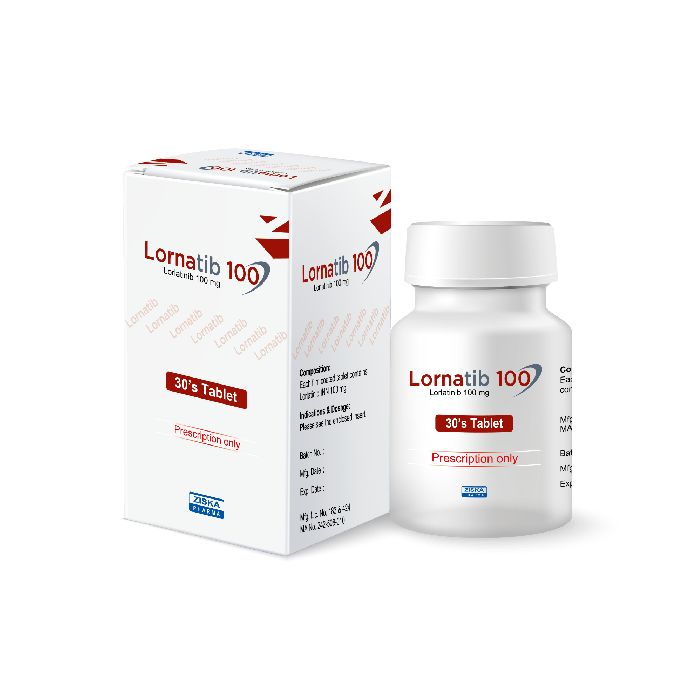
Introduction to Lornatib (Lorlatinib) 100mg
Lornatib (Lorlatinib) 100mg is a prescription medicine used in the treatment of advanced non-small cell lung cancer (NSCLC) with ALK-positive or ROS1-positive mutations. It is a targeted therapy that blocks specific proteins responsible for cancer cell growth.
Lornatib (Lorlatinib) 100mg is classified under Prescription Medicines, Oncology Medicines, Anticancer Drugs, and Oral Cancer Therapies. It contains Lorlatinib, which works by inhibiting anaplastic lymphoma kinase (ALK) and ROS1, preventing tumor proliferation and spread.
In some markets, Lornatib 100mg is available as a generic brand containing the same active ingredient, offering similar therapeutic effects when prescribed by a qualified healthcare professional.
What Is Lornatib (Lorlatinib) 100mg?
Lornatib is the brand name for Lorlatinib, an oral targeted therapy used to treat specific forms of lung cancer.
Lorlatinib belongs to a class of medicines known as ALK and ROS1 inhibitors. These medicines target proteins that drive cancer growth and metastasis.
Generic versions such as Lornatib 100mg contain the same active compound and may be used depending on physician recommendation and regional availability.
Drug Class and Mechanism of Action
Lorlatinib is classified as a third-generation ALK/ROS1 tyrosine kinase inhibitor with antineoplastic and anti-metastatic properties.
How Lorlatinib Works
It works in several ways:
- Inhibits ALK and ROS1 proteins in cancer cells
- Blocks cancer cell signaling pathways
- Prevents tumor growth and metastasis
- Crosses the blood-brain barrier to target brain metastases
Through these mechanisms, Lorlatinib helps slow or stop the progression of ALK-positive or ROS1-positive NSCLC.
How Lornatib Works in the Body
Cancer cells with ALK or ROS1 mutations rely on these proteins to survive and grow. Lornatib blocks these signals, restoring control over cancer cell proliferation.
Key Actions of Lorlatinib
- Inhibits tumor growth in ALK-positive or ROS1-positive cells
- Reduces metastasis, including brain metastases
- Supports apoptosis (programmed cancer cell death)
Some generic versions such as Lornatib deliver the same active compound, providing similar targeted cancer therapy when prescribed appropriately.
Medical Uses of Lornatib (Lorlatinib) 100mg
Lornatib 100mg is prescribed for specific cases of advanced lung cancer.
Lornatib for ALK-Positive NSCLC
Used in patients who have progressed on prior ALK inhibitors or are newly diagnosed with ALK-positive advanced NSCLC.
Potential Benefits
- Slows tumor progression
- Reduces the size of lung tumors
- Effective against brain metastases
Lornatib for ROS1-Positive NSCLC
Approved for patients with ROS1-positive advanced NSCLC who need targeted therapy.
Treatment Benefits
- Controls tumor growth
- Provides a targeted oral therapy option
- Helps improve progression-free survival
Who Can Take Lornatib 100mg?
Lornatib should always be used under the supervision of an experienced oncologist.
Eligibility Criteria
Patients may be prescribed Lornatib if they:
- Are diagnosed with ALK-positive or ROS1-positive NSCLC
- Have been evaluated for liver, kidney, and heart function
- Can follow regular monitoring and dosage schedules
Who Should Avoid Lornatib (Lorlatinib) 100mg
Lornatib should NOT be used by:
- Pregnant or breastfeeding women
- Individuals with hypersensitivity to Lorlatinib
- Patients with severe liver impairment or uncontrolled heart conditions
Lornatib (Lorlatinib) 100mg Dosage and Administration
Standard Dosage Guidelines
Typical dosage recommendations include:
- Lornatib 100mg once daily
- Taken orally at the same time each day
- Can be taken with or without food
Dosage Adjustments
Doctors may adjust the dose depending on:
- Liver or kidney function
- Side effects or tolerability
- Concomitant medications
Side Effects of Lornatib (Lorlatinib) 100mg
Common Side Effects
- Fatigue and weakness
- Swelling in extremities
- Numbness or tingling in hands or feet
- Weight gain
Serious Side Effects
- Liver toxicity
- Heart rhythm changes (QT prolongation)
- Cognitive or mood changes
- High cholesterol or triglycerides
Patients should report any unusual symptoms to their doctor immediately.
Storage:
Store below 25°C in a cool, dry place, protected from moisture and sunlight. Keep capsules in their original packaging and out of reach of children.
Frequently Asked Questions (FAQs)
1. Can Lornatib 100mg be used long-term?
Yes, patients may continue therapy under regular monitoring and oncologist supervision.
2. Is Lornatib chemotherapy?
No, Lornatib is a targeted therapy that specifically inhibits ALK and ROS1 proteins.
3. Can pregnant women take Lornatib?
No. Lornatib can cause severe birth defects and must not be used during pregnancy.
4. Can patients donate blood while on Lornatib?
No, blood donation is not recommended during and shortly after treatment.
5. Is Lornatib 100mg the same as other Lorlatinib brands?
Yes, it contains the same active ingredient and offers similar targeted therapy benefits.
6. Do I need a prescription to buy Lornatib?
Yes, it is a prescription-only medicine and must be used under oncologist supervision.
Medical Disclaimer
Disclaimer:
The information provided is for educational purposes only. Lornatib (Lorlatinib) is a prescription-only medicine and must be used under the supervision of a qualified healthcare professional. Consult your doctor before starting or changing treatment.