Introduction to Risperdal (Risperidone) 2.0mg
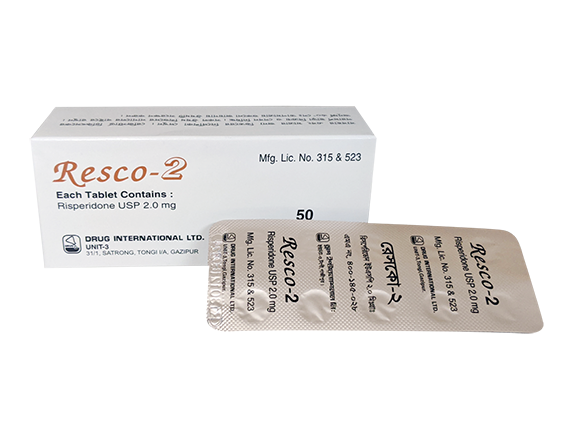
Resco (Risperidone) 2.0mg is a prescription medicine used in the treatment of various psychiatric and neurological disorders, including schizophrenia, bipolar disorder, and irritability associated with autism. This medicine belongs to a class of mental health drugs that help balance certain chemicals in the brain to improve mood, behavior, and thinking patterns.
Resco (Risperidone) 2.0mg is classified under Prescription Medicines, Antipsychotic Drugs, Psychiatric Medicines, and Oral Mental Health Therapies. It contains Risperidone, which works by affecting neurotransmitters such as dopamine and serotonin in the brain.
In some markets, Resco 2.0mg is available as a generic brand containing the same active ingredient Risperidone, offering a similar therapeutic effect when prescribed by a qualified healthcare professional.
What Is Risperdal (Risperidone)?
Risperdal is the brand name for Risperidone, an oral medication widely used for the treatment of several psychiatric conditions.
Risperidone belongs to a class of medicines known as Atypical Antipsychotics. These medicines help regulate brain chemicals and improve symptoms such as hallucinations, delusions, mood swings, and aggressive behavior.
Generic versions such as Resco 2.0mg contain the same active compound and may be used depending on physician recommendation and regional availability.
Drug Class and Mechanism of Action
Risperidone is classified as an atypical antipsychotic agent with strong neurochemical regulating properties.
How Risperidone Works
It works in several ways:
- Balances dopamine and serotonin levels in the brain
- Reduces abnormal brain activity associated with psychosis
- Helps stabilize mood and behavior
Through these mechanisms, Risperidone helps manage symptoms of mental health disorders effectively.
How Risperdal Works in the Body
The brain’s chemical imbalance can lead to psychiatric symptoms. Risperdal helps restore balance by regulating neurotransmitter activity.
Key Actions of Risperidone
- Controls hallucinations and delusions
- Improves mood and emotional stability
- Reduces aggression and irritability
- Enhances cognitive function and thinking clarity
Some generic versions such as Resco deliver the same active compound, allowing similar mental health treatment when prescribed appropriately.
Medical Uses of Risperdal (Risperidone) 2.0mg
Risperdal 2.0mg is widely prescribed for several psychiatric conditions.
Risperdal for Schizophrenia
Risperdal is commonly used to treat schizophrenia in adults and adolescents.
Potential Benefits
- Reduction in hallucinations and delusions
- Improved thinking and concentration
- Better daily functioning
Generic alternatives like Resco 2.0mg may also be used under medical supervision when Risperidone therapy is recommended.
Risperdal for Bipolar Disorder
Risperdal is used in managing manic or mixed episodes of bipolar disorder.
Treatment Benefits
- Stabilizes mood swings
- Reduces agitation and impulsive behavior
- Improves sleep and emotional control
Risperdal for Autism-Related Irritability
Risperdal is also prescribed for irritability in children with autism spectrum disorder.
Benefits
- Reduces aggression and self-injury
- Improves social interaction
- Helps manage mood disturbances
Who Can Take Resco 2.0mg?
Because Risperidone is a potent medicine, treatment should always be supervised by an experienced healthcare provider.
Eligibility Criteria
Patients may be prescribed Risperdal if they:
- Are diagnosed with schizophrenia, bipolar disorder, or autism-related irritability
- Require long-term psychiatric management
- Can follow prescribed dosage and monitoring guidelines
Certain generic options such as Resco may also be considered depending on availability and physician decision.
Who Should Avoid Risperdal (Risperidone) 2.0mg
Risperdal should NOT be used by:
- Individuals with hypersensitivity to Risperidone
- Patients with severe central nervous system depression
- Elderly patients with dementia-related psychosis (unless advised by a doctor)
Risperdal (Risperidone) 2.0mg Dosage and Administration
Standard Dosage Guidelines
Typical dosage recommendations include:
- Risperdal 2.0mg once or twice daily
- Dosage adjusted gradually based on response
- Can be taken with or without food
Dosage Adjustments
Doctors may adjust the dose depending on:
- Patient age and condition severity
- Kidney or liver function
- Individual response to treatment
Side Effects of Risperdal 2.0mg
Common Side Effects
- Drowsiness or fatigue
- Weight gain
- Dizziness
- Dry mouth
Serious Side Effects
- Extrapyramidal symptoms (movement disorders)
- Increased prolactin levels
- Neuroleptic malignant syndrome (rare but serious)
- Increased risk of stroke in elderly patients
Patients should report any unusual symptoms to their doctor immediately.
Storage:
Store below 25°C in a cool, dry place, protected from moisture and direct sunlight. Keep the tablets in their original packaging and out of reach of children.
Frequently Asked Questions (FAQs)
1. Is Risperdal (Risperidone) 2.0mg safe for long-term use?
Yes, it may be used long-term under medical supervision with regular monitoring.
2. Can Risperdal cause weight gain?
Yes, weight gain is a common side effect and should be monitored.
3. Is Risperdal (Risperidone) 2.0mg a sleeping pill?
No, it is an antipsychotic medication, though it may cause drowsiness.
4. Can patients stop taking Risperdal suddenly?
No, it should not be stopped abruptly without consulting a doctor.
5. Is Resco 2.0mg the same as Risperdal?
Resco 2.0mg contains Risperidone, the same active ingredient found in Risperdal. Generic versions are available.
6. Do I need a prescription to buy Resco (Risperidone) 2.0mg?
Yes. It is a prescription-only medicine and should be used under medical supervision.
Medical Disclaimer
Disclaimer:
The information provided on this page is for educational and informational purposes only and should not be considered medical advice. Risperdal (Risperidone) is a prescription-only medication and must be used strictly under the supervision of a qualified healthcare professional. Always consult your physician before starting, stopping, or changing any medication.