Introduction to Adriamycin (Doxorubicin) 20mg
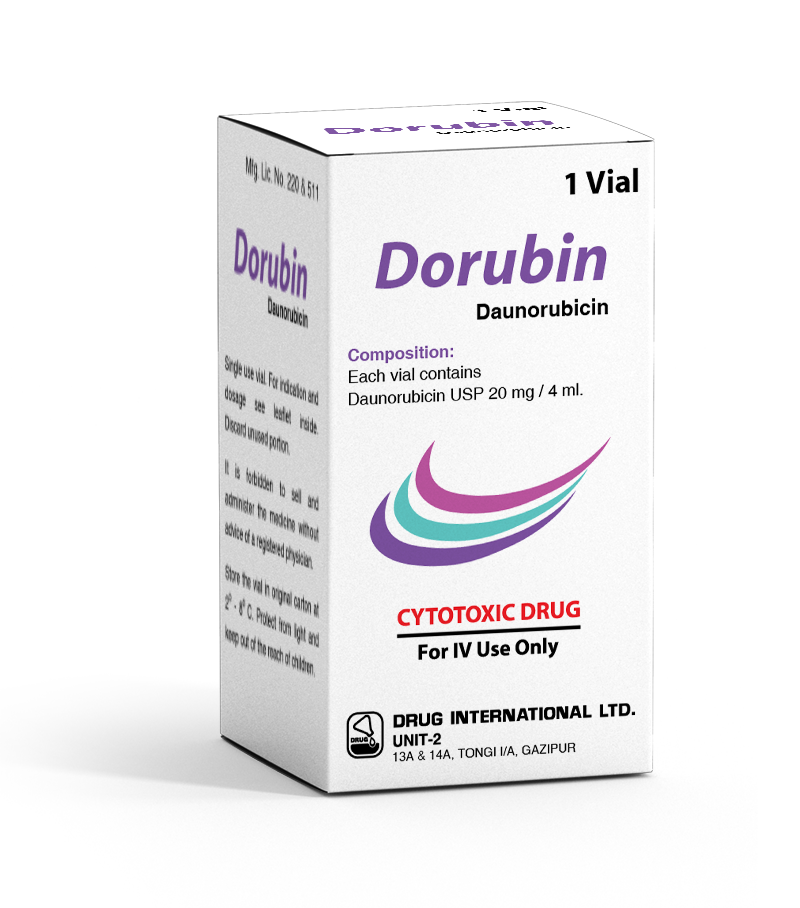
Dorubin Injection (Doxorubicin) 20mg is a potent prescription chemotherapy medicine used in the treatment of various cancers. It is commonly prescribed for cancers such as breast cancer, leukemia, lymphoma, and sarcomas. This medicine works by interfering with the growth and spread of cancer cells.
Dorubin (Doxorubicin) 20mg is classified under Prescription Medicines, Oncology Medicines, Anticancer Drugs, and Chemotherapy Agents. It contains Doxorubicin, an anthracycline antibiotic that works by damaging the DNA of cancer cells and preventing them from multiplying.
In some markets, Dorubin 20mg is available as a generic brand containing the same active ingredient Doxorubicin, offering similar therapeutic effects when administered by a qualified healthcare professional.
What Is Adriamycin (Doxorubicin)?
Adriamycin is the original brand name for Doxorubicin, a widely used chemotherapy medicine for the treatment of many types of cancer.
Doxorubicin belongs to a class of medicines known as Anthracycline Antitumor Antibiotics. These medicines work by interfering with DNA replication in rapidly dividing cells such as cancer cells.
Generic versions such as Dorubin 20mg contain the same active compound and may be used depending on physician recommendation and regional availability.
Drug Class and Mechanism of Action
Doxorubicin is classified as an anthracycline chemotherapy agent with strong antineoplastic properties.
How Doxorubicin Works
It works in several ways:
- Intercalates into DNA and blocks DNA replication
- Inhibits the enzyme topoisomerase II
- Generates free radicals that damage cancer cells
Through these mechanisms, Doxorubicin helps destroy rapidly dividing cancer cells and slows tumor growth.
How Adriamycin Works in the Body
Cancer cells multiply rapidly and rely on DNA replication for growth. Doxorubicin disrupts this process and promotes cancer cell death.
Key Actions of Doxorubicin
- Stops cancer cell division
- Damages tumor DNA structures
- Triggers apoptosis (programmed cell death) in malignant cells
Some generic versions such as Dorubin deliver the same active compound, allowing similar chemotherapy treatment when prescribed appropriately.
Medical Uses of Adriamycin (Doxorubicin) 20mg
Doxorubicin 20mg injection is widely used for the treatment of several cancers.
Doxorubicin for Breast Cancer
Doxorubicin is commonly used as part of combination chemotherapy regimens for breast cancer.
Potential Benefits
- Helps shrink tumors
- Reduces cancer progression
- Improves treatment outcomes when combined with other chemotherapy agents
Generic alternatives like Dorubin 20mg may also be used under medical supervision when Doxorubicin therapy is recommended.
Doxorubicin for Leukemia and Lymphoma
Doxorubicin is also used to treat hematologic cancers such as leukemia and lymphoma.
Treatment Benefits
- Effective against rapidly dividing blood cancer cells
- Supports combination chemotherapy protocols
- Helps achieve remission in certain patients
Who Can Take Dorubin 20mg?
Because Doxorubicin is a powerful chemotherapy medicine, treatment must always be supervised by an experienced oncologist.
Eligibility Criteria
Patients may be prescribed Doxorubicin if they:
- Are diagnosed with cancers such as breast cancer, leukemia, or lymphoma
- Require chemotherapy treatment as part of a cancer therapy regimen
- Are medically evaluated for cardiac and blood function
Certain generic options such as Dorubin may also be considered depending on availability and physician decision.
Who Should Avoid Adriamycin (Doxorubicin) 20mg
Doxorubicin should NOT be used by:
- Pregnant women or women planning pregnancy
- Patients with severe heart disease
- Individuals with hypersensitivity to Doxorubicin or other anthracyclines
Adriamycin (Doxorubicin) 20mg Dosage and Administration
Standard Dosage Guidelines
Typical dosage recommendations include:
- Doxorubicin 20mg administered intravenously by a healthcare professional
- Often given as part of a chemotherapy cycle
- Dosage depends on body surface area and treatment protocol
- Must be administered in a hospital or oncology clinic
Dosage Adjustments
Doctors may adjust the dose depending on:
- Patient body surface area (BSA)
- Liver function
- Blood test results and treatment response
Side Effects of Doxorubicin 20mg
Like many chemotherapy medicines, Doxorubicin may cause side effects.
Common Side Effects
- Nausea and vomiting
- Hair loss (alopecia)
- Fatigue and weakness
- Mouth sores
Serious Side Effects
Cardiotoxicity: Potential damage to heart function
Bone Marrow Suppression: Reduced white cells, red cells, or platelets
Severe Infections: Due to weakened immune system
Patients should report any unusual symptoms to their doctor immediately.
Storage:
Store below 25°C in a cool, dry place, protected from light. Keep the vial in original packaging and out of reach of children.
Frequently Asked Questions (FAQs)
1. What is Doxorubicin 20mg used for?
It is used to treat several cancers including breast cancer, leukemia, lymphoma, and sarcomas.
2. Is Doxorubicin chemotherapy?
Yes. Doxorubicin is a chemotherapy medicine used to destroy rapidly dividing cancer cells.
3. How is Dorubin 20mg administered?
It is given as an intravenous injection by trained healthcare professionals in hospitals or oncology clinics.
4. Is Dorubin 20mg the same as Adriamycin?
Dorubin 20mg contains Doxorubicin, the same active ingredient found in Adriamycin. Generic versions is available. for more info. contact on WhatsApp: https://wa.me/8801742433764
5. Do I need a prescription to buy Dorubin (Doxorubicin) 20mg?
Yes. Dorubin 20mg is a prescription-only chemotherapy medicine and must be administered under the supervision of an oncologist.
Medical Disclaimer
Disclaimer:
The information provided on this page is for educational and informational purposes only and should not be considered medical advice. Doxorubicin is a prescription-only chemotherapy medication and must be used strictly under the supervision of a qualified healthcare professional. Always consult your physician before starting, stopping, or changing any medication.