Introduction to Zyrtec (Cetirizine Hydrochloride) 10mg
Zyrtec (Cetirizine Hydrochloride) 10mg is a highly effective prescription medicine used to relieve allergy symptoms, including sneezing, runny nose, itchy eyes, and hives. This medicine belongs to a class of drugs called antihistamines, which work by blocking the effects of histamine in the body.
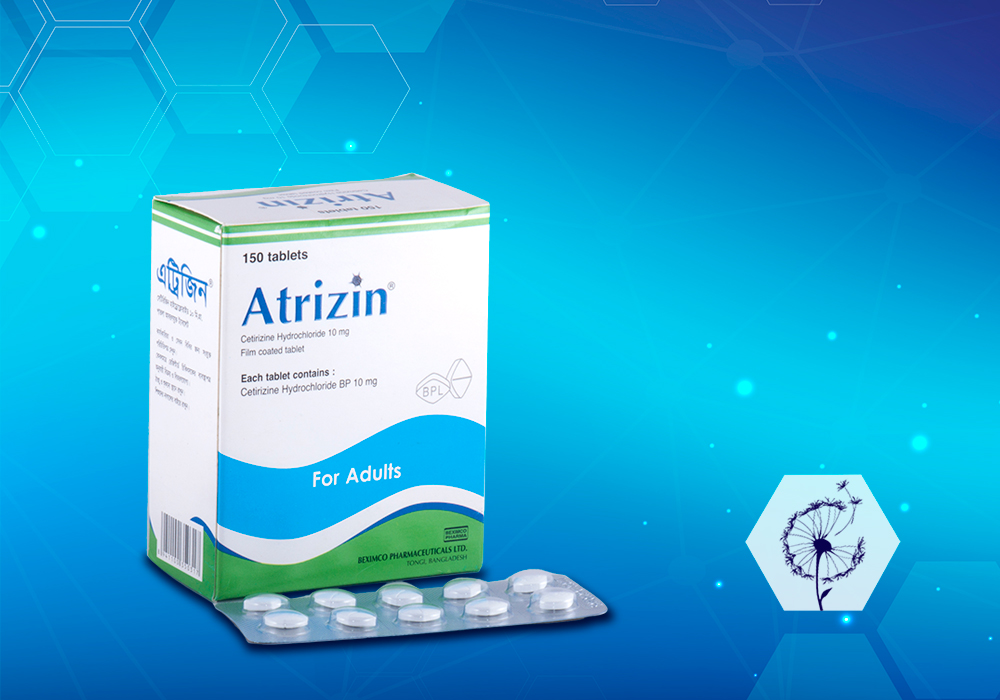
Atrizin (Cetirizine Hydrochloride) 10mg is classified under Prescription Medicines, Allergy Medicines, Antihistamines, and Oral Allergy Therapies. It contains Cetirizine Hydrochloride, which helps reduce allergic reactions and inflammation in the body.
In some markets, Atrizin 10mg is available as a local brand containing the same active ingredient Cetirizine Hydrochloride, offering similar therapeutic benefits when prescribed by a qualified healthcare professional.
What Is Zyrtec (Cetirizine Hydrochloride)?
Zyrtec is the brand name for Cetirizine Hydrochloride, an oral medication widely used for the treatment of seasonal and perennial allergies.
Cetirizine Hydrochloride belongs to a class of medicines known as second-generation antihistamines. These medicines help relieve allergy symptoms without causing significant drowsiness.
Generic versions such as Atrizin 10mg contain the same active compound and may be used depending on physician recommendation and regional availability.
Drug Class and Mechanism of Action
Cetirizine Hydrochloride is classified as a second-generation antihistamine with anti-allergic properties.
How Cetirizine Works
It works in several ways:
- Blocks histamine H1 receptors to reduce allergy symptoms
- Decreases inflammation in nasal passages, eyes, and skin
- Relieves itching, sneezing, and watery eyes
Through these mechanisms, Cetirizine helps manage seasonal allergies, chronic urticaria, and other allergic conditions.
How Zyrtec Works in the Body
Histamine is a chemical in the body that causes allergy symptoms. Zyrtec blocks histamine activity, reducing allergic reactions and providing relief.
Key Actions of Cetirizine
- Relieves nasal congestion, sneezing, and runny nose
- Reduces eye itching and tearing
- Controls hives and skin rashes
Generic versions such as Atrizin deliver the same active compound, providing similar anti-allergic effects when prescribed appropriately.
Medical Uses of Zyrtec (Cetirizine Hydrochloride) 10mg
Zyrtec 10mg is widely prescribed for various allergic conditions.
Zyrtec for Seasonal Allergies
For patients with seasonal allergic rhinitis, Zyrtec helps relieve symptoms caused by pollen, dust, and mold.
Potential Benefits
- Reduced sneezing and runny nose
- Relief from itchy, watery eyes
- Minimal drowsiness compared to first-generation antihistamines
Generic alternatives like Atrizin 10mg may also be used under medical supervision when Cetirizine therapy is recommended.
Zyrtec for Chronic Urticaria (Hives)
Zyrtec is effective in controlling persistent hives caused by various allergens.
Treatment Benefits
- Reduced itching and skin inflammation
- Improved quality of sleep by controlling nighttime symptoms
- Better skin comfort and reduced flare-ups
Who Can Take Atrizin 10mg?
Because Cetirizine is a potent antihistamine, treatment should always be supervised by a healthcare provider.
Eligibility Criteria
Patients may be prescribed Zyrtec if they:
- Experience seasonal or perennial allergies
- Have chronic urticaria (hives)
- Can tolerate antihistamine therapy
Certain generic options such as Atrizin may also be considered depending on availability and physician decision.
Who Should Avoid Zyrtec (Cetirizine Hydrochloride) 10mg
Zyrtec should NOT be used by:
- Patients with hypersensitivity to Cetirizine or other antihistamines
- Individuals with severe kidney or liver impairment without dose adjustment
- Pregnant or breastfeeding women unless recommended by a doctor
Zyrtec (Cetirizine Hydrochloride) 10mg Dosage and Administration
Standard Dosage Guidelines
Typical dosage recommendations include:
- Atrizin 10mg once daily
- Can be taken with or without food
- Swallow tablets whole
Dosage Adjustments
Doctors may adjust the dose depending on:
- Kidney function (renal impairment)
- Age of the patient
- Severity of allergy symptoms
Side Effects of Zyrtec 10mg
Like all medicines, Zyrtec may cause side effects.
Common Side Effects
- Mild drowsiness or fatigue
- Dry mouth
- Headache
- Nausea
Serious Side Effects
- Severe allergic reactions (rare)
- Fast heartbeat or palpitations (rare)
Patients should report any unusual symptoms to their doctor immediately.
Storage:
Store below 25°C in a cool, dry place, protected from moisture and sunlight. Keep tablets in their original packaging and out of reach of children.
Frequently Asked Questions (FAQs)
1. Is Zyrtec (Cetirizine Hydrochloride) 10mg safe for children?
It can be used in children above 6 years, as prescribed by a doctor.
2. Can I take Atrizin 10mg with other medications?
Yes, but always consult your physician to avoid drug interactions.
3. Does Zyrtec cause drowsiness?
Second-generation Cetirizine usually causes minimal drowsiness.
4. Can I drive after taking Atrizin 10mg?
Most patients can drive safely, but monitor your own reaction first.
5. Is Atrizin 10mg the same as Zyrtec?
Yes, Atrizin 10mg contains Cetirizine Hydrochloride, the same active ingredient as Zyrtec.
6. Do I need a prescription to buy Atrizin 10mg?
Yes. Atrizin 10mg is a prescription-only medicine and should be used under a healthcare professional’s guidance.
Medical Disclaimer
Disclaimer:
The information provided here is for educational purposes only and should not be considered medical advice. Zyrtec (Cetirizine Hydrochloride) is a prescription-only medicine. Always consult your physician before starting, stopping, or changing any medication.