Introduction to Diamicron (Gliclazide) 80mg
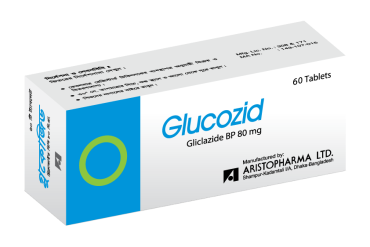
Glucozid 80mg is an oral antidiabetic medicine used to control blood sugar levels in patients with type 2 diabetes mellitus. It helps stimulate insulin secretion from the pancreas and improves the body’s ability to utilize glucose effectively.
Glucozid 80mg belongs to the categories of Antidiabetic Medicines, Sulfonylureas, Glucose-Lowering Agents, and Metabolic Disorder Treatments. It contains Gliclazide, a second-generation sulfonylurea known for its effective and controlled blood sugar reduction with a lower risk of hypoglycemia compared to older drugs.
In global markets, Diamicron 80mg is the original brand that contains Gliclazide, offering clinically proven blood glucose control and long-term diabetes management benefits when used under proper medical supervision.
What Is Diamicron (Gliclazide)?
Diamicron is the original brand name for Gliclazide, an oral antidiabetic medicine used in the treatment of type 2 diabetes.
Gliclazide belongs to the class of Sulfonylureas, which work by stimulating insulin secretion from pancreatic beta cells. It also improves peripheral glucose utilization and helps maintain stable blood sugar levels.
Generic brands such as Glucozid 80mg contain the same active ingredient and are commonly prescribed depending on availability and physician recommendation.
Drug Class and Mechanism of Action
How Gliclazide Works
Gliclazide works through multiple mechanisms:
- Stimulates insulin release from pancreatic beta cells
- Enhances insulin sensitivity in tissues
- Reduces blood glucose levels
- Improves glucose uptake
- Helps maintain steady glycemic control
This balanced action helps manage blood sugar effectively while minimizing fluctuations.
How Diamicron Works in the Body
Key Actions of Gliclazide
- Lowers fasting and post-meal blood sugar
- Improves insulin efficiency
- Reduces risk of microvascular complications
- Supports long-term diabetes control
- Enhances pancreatic function
Regular use helps patients maintain consistent blood sugar levels and prevent complications.
Medical Uses of Diamicron (Gliclazide) 80mg
Type 2 Diabetes Mellitus
Potential Benefits
- Effective blood glucose control
- Improves HbA1c levels
- Reduces risk of diabetic complications
- Supports long-term disease management
Combination Therapy
Treatment Benefits
- Can be used with Metformin or insulin
- Enhances glycemic control
- Suitable for patients with inadequate response to single therapy
Who Can Take Glucozid 80mg?
Eligibility Criteria
- Patients with type 2 diabetes
- Individuals requiring sulfonylurea therapy
- Patients not controlled by diet and exercise alone
- Adults under medical supervision
Glucozid 80mg is commonly prescribed for effective and stable glucose management.
Who Should Avoid Diamicron (Gliclazide) 80mg
- Patients with type 1 diabetes
- Individuals with severe kidney or liver disease
- Patients prone to hypoglycemia
- Pregnant or breastfeeding women (consult doctor)
- Patients allergic to sulfonylureas
Diamicron (Gliclazide) 80mg Dosage and Administration
Standard Dosage Diamicron (Gliclazide) 80mg
- Usually taken once or twice daily
- Taken with meals to reduce hypoglycemia risk
- Follow doctor’s prescription
- Do not skip meals
Dosage Adjustments
- Based on blood sugar levels
- Patient response
- Age and health condition
- Combination with other medicines
Side Effects of Diamicron (Gliclazide) 80mg
Common Side Effects
- Hypoglycemia
- Dizziness
- Headache
- Nausea
Serious Side Effects
- Severe low blood sugar
- Allergic reactions
- Liver problems
- Blood disorders
Patients should monitor glucose levels regularly and seek medical help if severe symptoms occur.
Frequently Asked Questions (FAQs)
1. Is Diamicron (Gliclazide) 80mg effective for diabetes?
Yes, it is widely used for controlling type 2 diabetes.
2. Can it cause hypoglycemia?
Yes, especially if meals are skipped.
3. When should I take it?
It should be taken with meals as prescribed.
4. Can it be combined with other medicines?
Yes, often used with Metformin or insulin.
5. Is it safe for long-term use?
Yes, under medical supervision.
Medical Disclaimer
Disclaimer:
This content is for informational purposes only and should not be considered medical advice. Always consult a qualified healthcare professional before using any medication.