
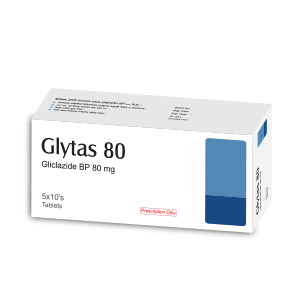
Introduction to Diamicron (Gliclazide) 80mg
Diamicron (Gliclazide) 80mg is a prescription medicine used to manage type 2 diabetes mellitus. It helps control blood sugar levels by stimulating insulin secretion from the pancreas.
Glytas (Gliclazide) 80mg is classified under Prescription Medicines, Antidiabetic Medicines, Sulfonylurea Drugs, and Oral Diabetes Therapies. It contains Gliclazide, which improves glycemic control and reduces the risk of diabetes-related complications.
In some markets, generic versions of Glytas 80mg are available containing the same active ingredient Gliclazide, offering similar therapeutic effects when prescribed by a qualified healthcare professional.
What Is Glytas (Gliclazide)?
Glytas is the brand name for Gliclazide, an oral antidiabetic medication used to control blood glucose levels.
Gliclazide belongs to a class of medicines known as Sulfonylureas. These medicines help increase insulin secretion from pancreatic beta cells.
Generic versions such as Glytas 80mg contain the same active compound and may be used depending on physician recommendation and availability.
Drug Class and Mechanism of Action
Gliclazide is classified as a sulfonylurea antidiabetic agent.
How Gliclazide Works
It works in several ways:
- Stimulates insulin release from the pancreas
- Improves glucose uptake by body tissues
- Reduces blood sugar levels effectively
Through these mechanisms, Gliclazide helps maintain stable blood glucose control.
How Glytas Works in the Body
In type 2 diabetes, the body cannot effectively use insulin. Glytas helps enhance insulin activity.
Key Actions of Gliclazide
- Increases insulin secretion
- Reduces fasting and post-meal blood sugar
- Helps prevent long-term complications
Medical Uses of Glytas (Gliclazide) 80mg
Glytas 80mg is widely prescribed for diabetes management.
Glytas for Type 2 Diabetes
Used to control blood glucose levels in adults with type 2 diabetes.
Potential Benefits
- Better glycemic control
- Reduced risk of complications
- Improved metabolic stability
Who Can Take Glytas 80mg?
This medicine should be used under medical supervision.
Eligibility Criteria
Patients may be prescribed Glytas if they:
- Have type 2 diabetes mellitus
- Are not controlled with lifestyle changes alone
- Can monitor blood glucose regularly
Who Should Avoid Glytas (Gliclazide) 80mg
Glytas should NOT be used by:
- Patients with type 1 diabetes
- Individuals with severe kidney or liver disease
- Patients with frequent hypoglycemia
Glytas (Gliclazide) 80mg Dosage and Administration
Standard Dosage Guidelines
Typical dosage recommendations include:
- Glytas 80mg once or twice daily as prescribed
- Usually taken with meals
- Tablets should be swallowed whole
Dosage Adjustments
Doctors may adjust the dose depending on:
- Blood glucose levels
- Patient response
- Risk of hypoglycemia
Side Effects of Glytas 80mg
Common Side Effects
- Hypoglycemia
- Headache
- Nausea
- Dizziness
Serious Side Effects
- Severe low blood sugar
- Liver function abnormalities
- Allergic reactions
Patients should seek medical attention if severe symptoms occur.
Storage:
Store below 25°C in a cool, dry place, protected from moisture and sunlight. Keep out of reach of children.
Frequently Asked Questions (FAQs)
1. How should I take Glytas 80mg?
It is usually taken once or twice daily with meals as prescribed by your doctor.
2. Can Glytas cause low blood sugar?
Yes, hypoglycemia is a common side effect, especially if meals are skipped.
3. Is Glytas insulin?
No, it is an oral antidiabetic medicine that increases insulin release.
4. Can I take it with other diabetes medicines?
Yes, but only under medical supervision.
5. Can I drink alcohol while taking Glytas?
Alcohol may increase the risk of hypoglycemia and should be limited.
6. Is Glytas 80mg the same as generic Gliclazide?
Yes, it contains the same active ingredient Gliclazide.
7. Do I need a prescription to buy Glytas 80mg?
Yes, it is a prescription-only medicine.
Medical Disclaimer
Disclaimer:
The information provided here is for educational purposes only and should not be considered medical advice. Glytas (Gliclazide) is a prescription medicine and should be used under the supervision of a qualified healthcare professional.


