
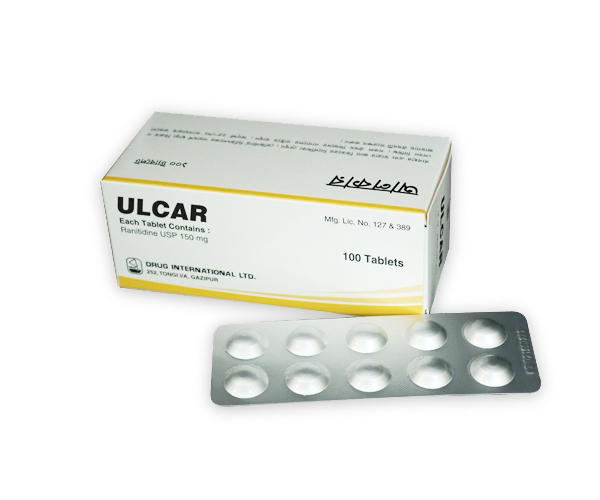
Introduction to Zantac (Ranitidine) 150mg
Zantac (Ranitidine) 150mg is a prescription medicine used to reduce excess stomach acid and treat conditions like gastroesophageal reflux disease (GERD), peptic ulcers, and Zollinger-Ellison syndrome. This medicine belongs to the class of H2 receptor antagonists that work by blocking histamine receptors in the stomach lining to decrease acid production.
Zantac (Ranitidine) 150mg is classified under Prescription Medicines, Gastrointestinal Medicines, Acid Reducers, and Oral Ulcer Therapies. It contains Ranitidine, which helps relieve heartburn, acid reflux, and stomach ulcers by reducing gastric acid secretion.
In some markets, Ulcar 150mg is available as a generic brand containing the same active ingredient Ranitidine, offering similar therapeutic effects when prescribed by a qualified healthcare professional.
What Is Zantac (Ranitidine)?
Zantac is the brand name for Ranitidine, an oral medication widely used to manage acid-related gastrointestinal conditions.
Ranitidine belongs to a class of medicines known as H2 receptor antagonists. These medicines reduce stomach acid by blocking histamine receptors in the stomach lining.
Generic versions such as Ulcar 150mg contain the same active compound and may be used depending on physician recommendation and regional availability.
Drug Class and Mechanism of Action
Ranitidine is classified as an H2 receptor antagonist with antisecretory properties.
How Ranitidine Works
It works in several ways:
- Blocks H2 receptors in the stomach lining to reduce acid production
- Helps heal and prevent stomach and duodenal ulcers
- Relieves symptoms of heartburn and acid reflux
Through these mechanisms, Ranitidine helps manage excess stomach acid and related conditions effectively.
How Zantac Works in the Body
The stomach sometimes produces excessive acid, leading to ulcers and discomfort. Zantac helps regulate acid levels by targeting H2 receptors.
Key Actions of Ranitidine
- Reduces gastric acid secretion to relieve heartburn
- Promotes healing of ulcers in the stomach and duodenum
- Prevents complications from excessive acid such as esophagitis
Some generic versions such as Ulcar deliver the same active compound, allowing similar acid-reducing effects when prescribed appropriately.
Medical Uses of Zantac (Ranitidine) 150mg
Zantac (Ranitidine) 150mg is widely prescribed for various acid-related gastrointestinal disorders.
Zantac for Gastroesophageal Reflux Disease (GERD)
For patients with GERD, Zantac helps reduce acid reflux and prevent damage to the esophagus.
Potential Benefits
- Relief from heartburn and acid reflux
- Reduced esophageal irritation and inflammation
- Prevention of complications like esophagitis or Barrett’s esophagus
Generic alternatives like Ulcar 150mg may also be used under medical supervision when Ranitidine therapy is recommended.
Zantac for Peptic Ulcers
Zantac is effective in healing gastric and duodenal ulcers caused by excess acid.
Treatment Benefits
- Promotes healing of stomach and duodenal ulcers
- Reduces ulcer-related pain and discomfort
- Prevents recurrence of ulcers
Who Can Take Ulcar 150mg?
Because Ranitidine is a prescription medicine, treatment should always be supervised by a qualified healthcare provider.
Eligibility Criteria
Patients may be prescribed Zantac (Ranitidine) 150mg if they:
- Have diagnosed GERD, peptic ulcers, or Zollinger-Ellison syndrome
- Do not have severe liver or kidney disease unless monitored
- Can follow dosage instructions strictly
Certain generic options such as Ulcar may also be considered depending on availability and physician decision.
Who Should Avoid Zantac (Ranitidine) 150mg
Zantac should NOT be used by:
- Individuals with hypersensitivity to Ranitidine
- Patients with severe liver disease
- Patients taking medications that may interact without doctor supervision
Zantac (Ranitidine) 150mg Dosage and Administration
Standard Dosage Guidelines
Typical dosage recommendations include:
- Zantac 150mg once or twice daily, depending on condition
- Taken 30–60 minutes before meals or as prescribed
- Tablets should be swallowed whole with water
- Can be taken with or without food
Dosage Adjustments
Doctors may adjust the dose depending on:
- Kidney function (renal impairment)
- Severity of symptoms
- Individual treatment response
Side Effects of Zantac 150mg
Like all medicines, Zantac may cause side effects.
Common Side Effects
- Headache or dizziness
- Nausea or constipation
- Stomach discomfort or diarrhea
Serious Side Effects
- Severe allergic reactions (rash, swelling, difficulty breathing)
- Liver enzyme abnormalities
Patients should report any unusual symptoms to their doctor immediately.
Storage:
Store below 25°C in a cool, dry place, protected from moisture and direct sunlight. Keep the tablets in their original packaging and out of reach of children.
Frequently Asked Questions (FAQs)
- Is Zantac (Ranitidine) 150mg safe for long-term use?
Some patients may take Zantac for extended periods under regular medical supervision. - Can Zantac be taken with other medications?
Yes, but it is essential to consult a doctor to avoid interactions with other acid-reducing or heart medications. - Is Zantac a proton pump inhibitor (PPI)?
No. Zantac is an H2 receptor antagonist, which works differently from PPIs but reduces stomach acid effectively. - Can patients take antacids with Zantac?
Yes, antacids can be taken, but timing should be discussed with a healthcare provider for optimal effectiveness. - Can pregnant women take Ulcar 150mg?
Pregnancy use should only be under medical supervision, as the safety of Ranitidine during pregnancy is evaluated by a doctor. - Is Ulcar 150mg the same as Zantac?
Ulcar 150mg contains Ranitidine, the same active ingredient as Zantac. Generic versions are available. - Do I need a prescription to buy Ulcar 150mg?
Yes. Ulcar 150mg is prescription-only and should be used under the guidance of a qualified healthcare professional.
Medical Disclaimer
Disclaimer:
The information provided on this page is for educational purposes only and should not be considered medical advice. Zantac (Ranitidine) is a prescription-only medicine and must be used strictly under a qualified healthcare professional’s supervision. Always consult your doctor before starting, stopping, or changing any medication.


